
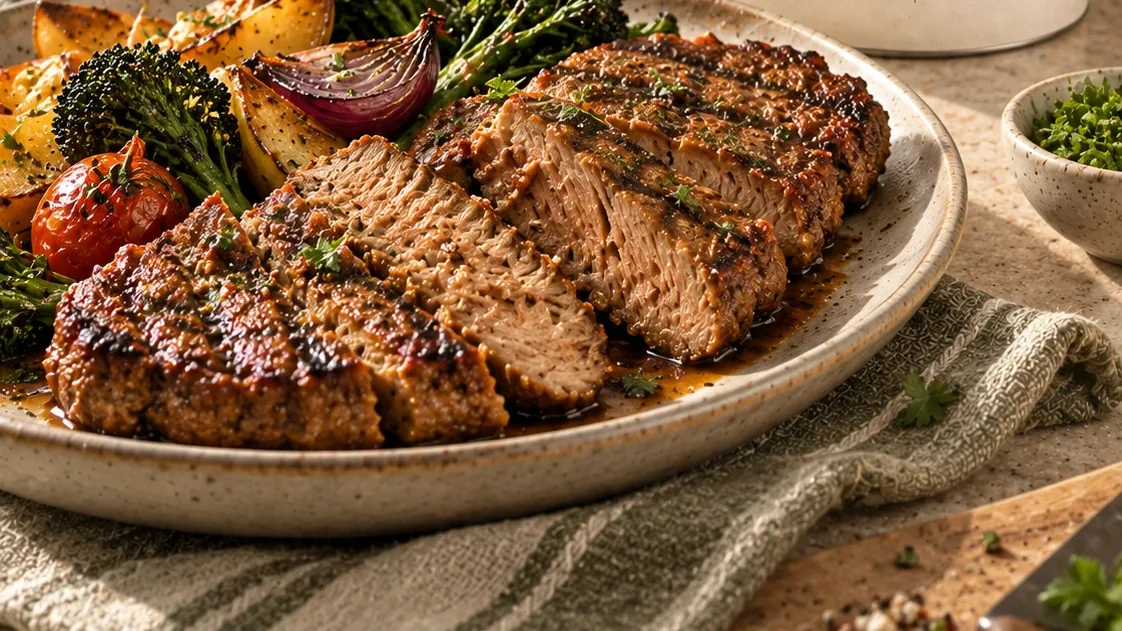
How much protein is in common vegetarian foods?
| Food (state) | Per 100 g | Example serving | Protein per serving | FDC ID |
|---|---|---|---|---|
| Tempeh | 20.3 g | 100 g | 20.3 g | 174272 |
| Soybeans, boiled | 18.2 g | 100 g | 18.2 g | 174271 |
| Tofu, firm (calcium sulfate) | 17.3 g | 100 g | 17.3 g | 172475 |
| Lupins, boiled | 15.6 g | 100 g | 15.6 g | 172424 |
| Lentils, boiled | 9.02 g | 150 g | 13.5 g | 172421 |
| Black beans, boiled | 8.86 g | 150 g | 13.3 g | 173735 |
| Edamame, prepared | 11.9 g | 100 g | 11.9 g | 168411 |
| Soy flour, defatted (TVP’s ingredient), dry | 51.5 g | 23 g dry | 11.8 g | 174275 |
| Tofu, regular | 8.08 g | 100 g | 8.1 g | 172476 |
| Peanut butter, smooth | 22.2 g | 32 g (about 2 tbsp) | 7.1 g | 172470 |
| Egg, whole, raw | 12.6 g | 50 g (one large egg) | 6.3 g | 171287 |
For comparison with a real product, Bob’s Red Mill’s TVP label lists 12 g of protein per 1/4 cup (23 g) dry serving, close to the 11.8 g calculated from USDA’s defatted soy flour entry.
How do you calculate protein per serving?
- Find the protein per 100 g for the food in the state you will weigh it (dry, raw or cooked).
- Weigh your serving in grams.
- Multiply the protein per 100 g by your serving weight, then divide by 100.
Example: a 150 g serve of firm tofu is 17.3 × 150 ÷ 100 = about 26 g of protein.
Why do dry and cooked weights give different numbers?
Dry foods absorb water when cooked, so the same protein is spread over more weight. Dry TVP is about 52 g of protein per 100 g by Bob’s Red Mill’s label, but once it has absorbed its liquid, 100 g of rehydrated TVP holds far less. The same is true of dried lentils and beans compared with boiled ones. Always match the number to the state of the food on your scale.
How much protein is in a whole meal?
Add up the protein-rich ingredients and divide by the number of portions. In our soy mince bolognese, 2 cups of Bob’s Red Mill TVP is eight 1/4 cup label servings, or about 96 g of protein; split four ways, that is roughly 24 g per portion from the TVP alone, before the pasta. Our soy mince chilli splits the same TVP six ways, about 16 g each, plus the beans.
How much protein do adults need per day?
Harvard’s Nutrition Source cites the Recommended Dietary Allowance of 0.8 g of protein per kilogram of body weight per day for adults. For a 70 kg adult, that is 0.8 × 70 = 56 g a day. Needs vary with age, activity, pregnancy and health, so treat this as general information and ask a dietitian for personal advice.
Why are chickpeas, quinoa and Greek yoghurt not in the table?
We only publish figures we have checked against USDA FoodData Central. We have not yet verified those foods, so we have left them out rather than guess. We will add them once we have checked them.